
Clarendon County Criminal Court Records
Clarendon County criminal court records are case-level files. They begin once charges are filed with a court and continue through hearings, motions, pleas, trial, disposition, and sentencing. The record may show the defendant, charge text, case number, court agency, docket activity, court dates, orders, fines, and sentence information. It may also show whether a charge was dismissed, reduced, amended, or resolved by plea or verdict. That makes the criminal court record broader than the booking event.
South Carolina's Circuit Court has a criminal side called General Sessions Court. Clarendon County is in the Third Judicial Circuit with Lee, Sumter, and Williamsburg Counties. Magistrate Court handles summary criminal offenses, bail, preliminary hearings, arrest and search warrants, and some traffic matters. Municipal Court handles qualifying lower-level offenses and ordinance violations within municipalities such as Manning and Summerton. For the charge-level pathway before outcome, use the separate Clarendon County arrest records and charges page.
The official South Carolina treatment-court listing shows Clarendon County Adult Drug Court and Pre-Trial Intervention as programs that can affect criminal case handling.
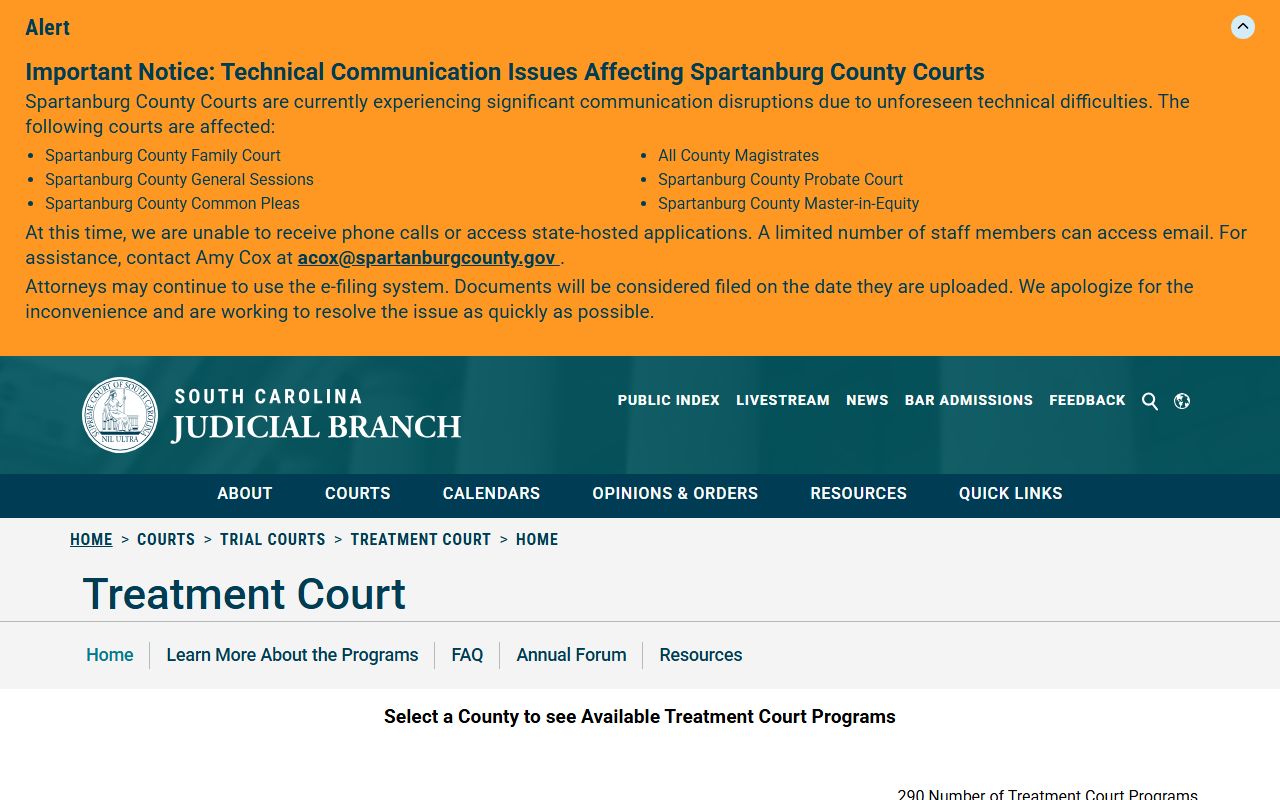
Treatment and diversion programs do not erase a public case by themselves. Eligibility, completion, dismissal, or expungement must be read from official court or solicitor records.
Search Clarendon County Criminal Records
The online starting point is the Clarendon County Public Index, reached from the Judicial Branch case-records search. Search by case number if available. If the number is unknown, search by defendant name and narrow by court type, agency, case type, date range, and action type. Browser settings matter. The Judicial Branch says cookies, JavaScript, and sometimes pop-up exceptions are required for public case detail.
- Open the Clarendon Public Index and accept the search terms.
- Search by case number, or enter the defendant's name and narrow the results by court and date.
- Review charge entries, docket actions, hearing dates, pleas, and disposition fields where public.
- Check whether the record is a General Sessions case, Magistrate matter, Municipal case, or appeal.
- Request a copy from the Clerk of Court if a certified file, order, or complete case document is needed.
The Clerk of Court provides criminal and civil copies in person, by mail, or by fax. The copy fee is $10.00 for the first 4 pages and $0.25 per page after that. The county states that all methods require a 24-hour turnaround, with extra time possible if the file is not in the courthouse. The Clerk does not perform research or give legal advice, so requests should include the case number, defendant name, court type, and approximate date.
The official Third Judicial Circuit Drug Court order is shown below.
Program orders and criminal case records are separate records. A case docket should be checked to see whether diversion, sanctions, plea terms, or sentencing appear.
Clarendon County Criminal Case Flow
A criminal case can pass through several record stages. The court file may begin with a complaint, warrant-related filing, indictment, or other charging paper. It may then show an arraignment, bond or preliminary-hearing history, motions, plea negotiations, trial setting, verdict or plea, disposition, sentence, restitution, fines, probation, or appeal. A single arrest can produce more than one charge, and each charge can have its own status.
Case flow: Charges Filed › Arraignment › Pretrial / Motions › Plea or Trial › Disposition › Sentencing
| Stage | What Happens |
|---|---|
| Charges Filed | The alleged offense enters the court record through a charging document or lower-court process. |
| Arraignment | The defendant is formally advised of the charge and enters or receives plea-related scheduling. |
| Pretrial / Motions | The docket may show discovery, continuances, motions, hearings, diversion review, or plea talks. |
| Plea or Trial | The case is resolved by plea, bench or jury trial, dismissal, or other court action. |
| Disposition / Sentencing | The court records the result and sentence, which may include fines, restitution, probation, jail, prison, or other terms. |
The Third Judicial Circuit Solicitor prosecutes criminal offenses in Clarendon, Lee, Sumter, and Williamsburg Counties.
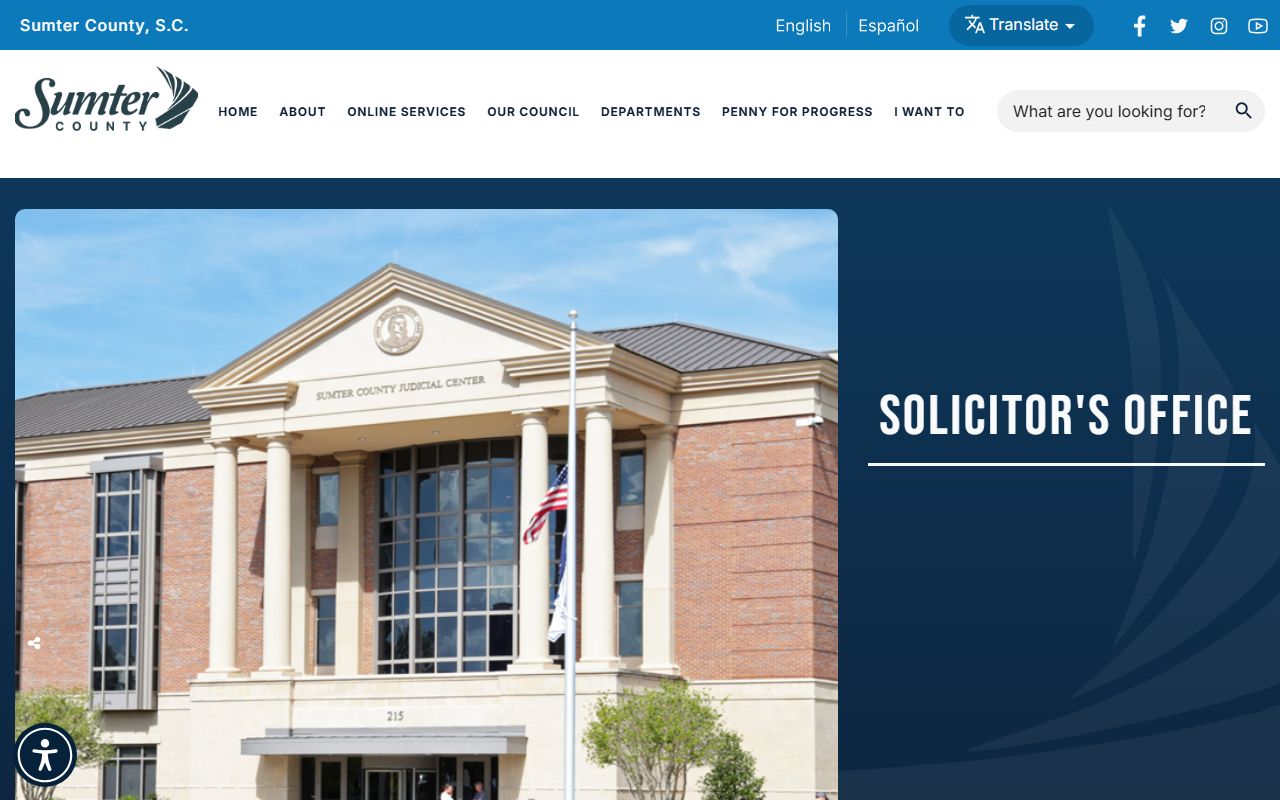
Solicitor review explains why a charge shown after arrest may later be amended, dismissed, diverted, or prosecuted in General Sessions.
What Clarendon Criminal Records Show
Criminal court records should be read field by field. A charge listed in the record is an accusation unless a later entry shows a conviction. A disposition is the result of a charge or case. A sentence is the punishment imposed after conviction or plea. Probation is court-ordered supervision instead of, or after, incarceration. Restitution is money ordered to compensate a victim. Bonds and bench warrants may appear when release, missed court, or custody events affect the case.
| Field | What It Shows |
|---|---|
| Case Number | The docket identifier used for Public Index search and Clerk copy requests. |
| Defendant | The person charged in the criminal case, subject to public-access and redaction rules. |
| Charges | The alleged offenses filed with the court, which may be amended, reduced, dismissed, or resolved. |
| Court Agency | General Sessions, Magistrate, Municipal, Family, or appellate court when applicable. |
| Plea | The defendant's formal response, such as guilty, not guilty, or other plea-related entry. |
| Disposition | The result, such as conviction, acquittal, dismissal, nolle prosequi, or other court outcome. |
| Sentence | Fines, restitution, probation, incarceration, treatment terms, or other penalties imposed by the court. |
Public defender access may appear near this stage. The SCCID county public defender directory lists Clarendon County in Circuit 3.
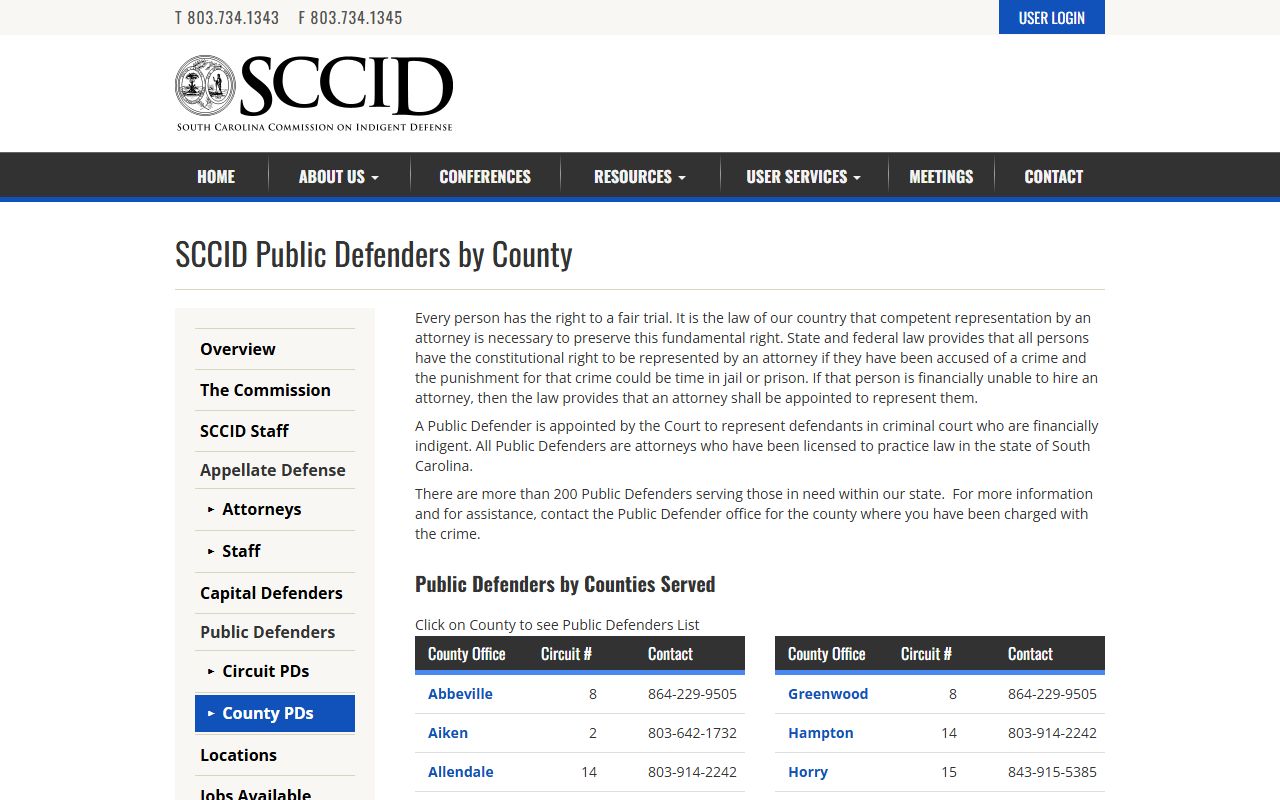
Clarendon County's Clerk page adds that Public Defender applications have a $40.00 non-refundable fee, payable by cash or money order, with no personal checks or credit cards accepted for that application.
Charges and Convictions Compared
A charge is not a conviction. Criminal court records can show charges that were pending, dismissed, dropped, reduced, amended, or resolved without a guilty finding. A conviction appears only after a guilty plea, guilty verdict, or other legally recognized finding of guilt. This distinction is vital when reading Clarendon County criminal court records because the early docket may list several accusations, while the final disposition may resolve fewer or different charges.
| Charge | Conviction | |
|---|---|---|
| Meaning | An accusation filed by law enforcement or prosecution. | A guilty plea, verdict, or court finding establishing guilt. |
| Record Stage | Can appear early in the case and change later. | Appears after plea, trial, or final court action. |
| Outcome | May be dismissed, amended, reduced, or prosecuted. | Can lead to sentence, fines, probation, custody, or collateral consequences. |
Note: Read the latest disposition and sentence entries before treating a charge as the final court outcome.
Sealed and Expunged Criminal Records
South Carolina treats sealing and expungement differently. A sealed record is closed from public access by law or court order. An expungement is a legal process to remove a qualifying criminal charge or conviction from public access and to seal or destroy state records as allowed. Neither status should be assumed from an online search result. The South Carolina Judicial Branch separates expungement information into General Sessions, juvenile, and Magistrate or Municipal processes.
| Sealed | Expunged | |
|---|---|---|
| Public Visibility | Hidden from public access by statute or court order. | Removed from public access and sealed or destroyed as allowed by law. |
| Process | Rule 41.1 requires a motion and judicial balancing for civil sealing. | Must follow the proper General Sessions, juvenile, or summary-court expungement process. |
| Limits | Some authorized users or courts may still access the record. | Eligibility depends on charge, disposition, court level, and state law. |
The official Judicial Branch expungement overview is the source for the process image below.
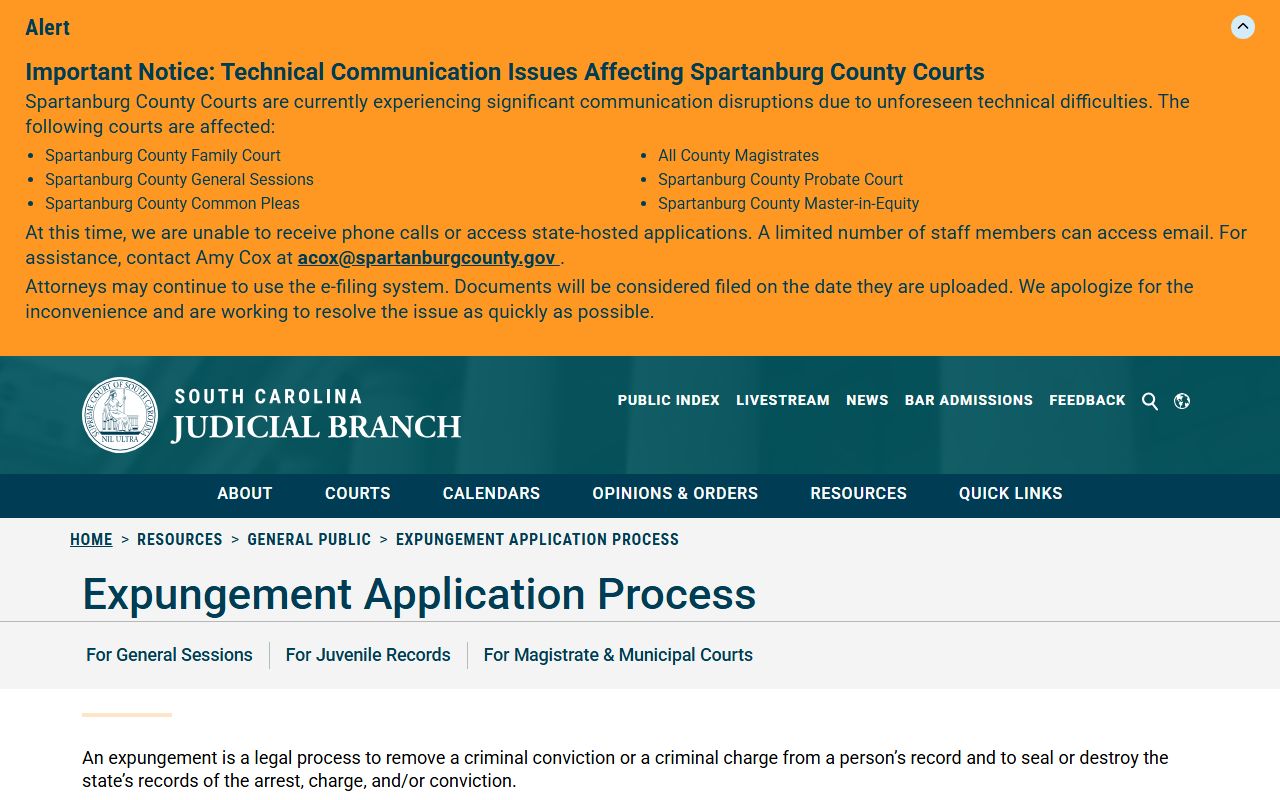
Expungement questions should start with the court level and final disposition. Eligibility is not shown by the fact that a charge exists online.
Public Criminal Court Access
Public access to Clarendon County criminal court records rests on both open-court principles and limits. The South Carolina Freedom of Information Act supports access to public records and final opinions and orders, but it also includes exemptions. Rule 41.2 requires redaction of protected identifiers. Public Index home address information no longer displays for new or existing cases as of January 1, 2026.
Juvenile criminal matters are treated differently from adult criminal court records. Adoption and many Family Court juvenile records are confidential. C-Track states that sealed, confidential, or non-public appellate cases, events, and documents are not online. Law-enforcement records connected to an investigation can also be limited. For sheriff records outside the court file, the Sheriff's FOIA process may apply, subject to law-enforcement exemptions.
Clarendon Criminal Defense Records
Criminal court records often intersect with appointed-counsel paperwork, but public defender files are not the same as the court docket. SCCID lists Clarendon County in Circuit 3 with Public Defender contact 803-433-0188. The Third Circuit Chief Public Defender is Edgar R. Donnald Jr., with office information in Sumter County. A person must complete an application for counsel and provide financial information to determine indigency.
The Third Circuit Public Defender page is shown below.
Public defender application status is not a substitute for the court record. The docket remains the source for charges, hearings, pleas, disposition, and sentence.